The project contributed to improving regional cooperation among environmental civil society organisations (CSOs) in the Western Balkans and to capacity building for environmental organisations and young researchers working on the valorisation, monitoring, and protection of mammalian biodiversity in the Western Balkans.
Project: Regional cooperation of scientists and young researchers from the Western Balkans in the field of mammalian ecology
Donor: Western Balkans Fund and EU
Project Duration: January 1, 2023 – October 31, 2023
The project contributed to improving regional cooperation among environmental civil society organisations (CSOs) in the Western Balkans and to capacity building for environmental organisations and young researchers working on the valorisation, monitoring, and protection of mammalian biodiversity in the Western Balkans.
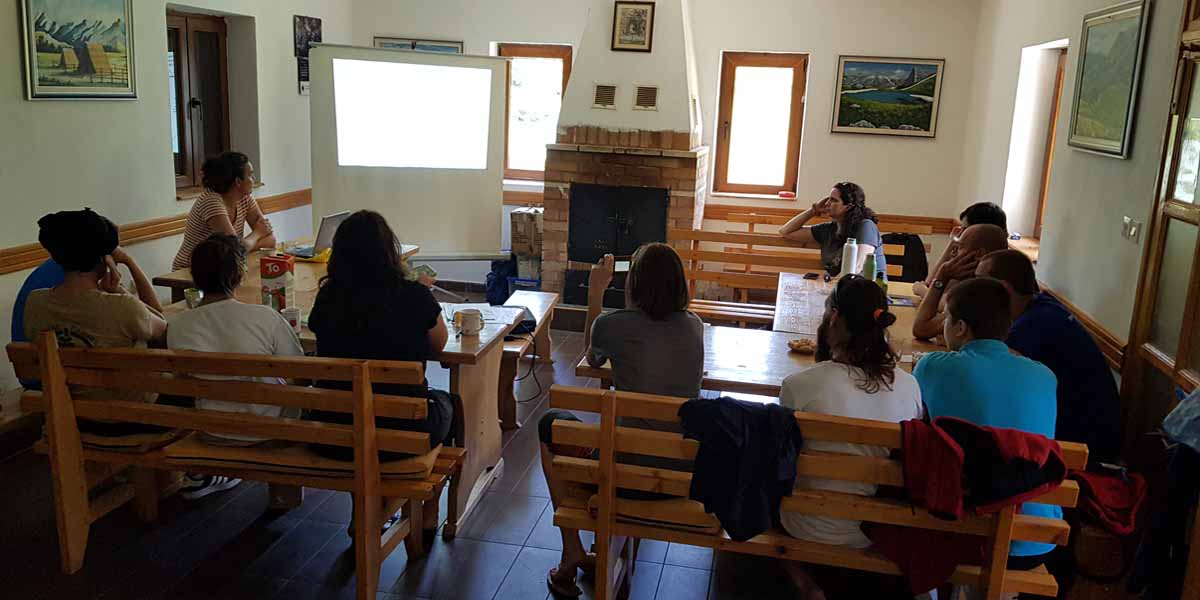
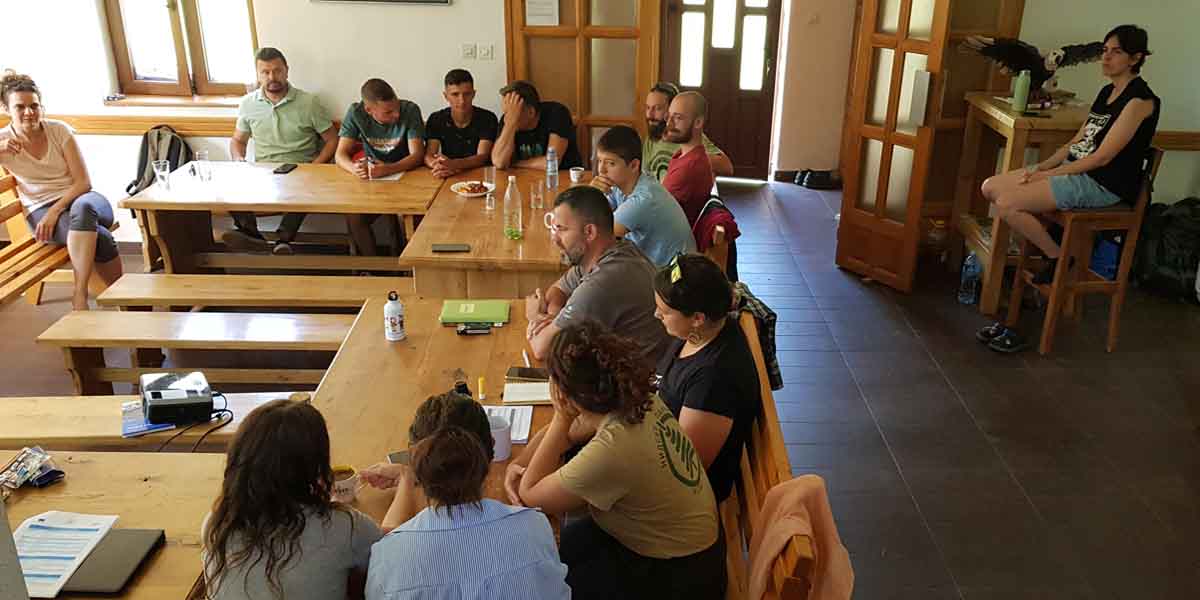
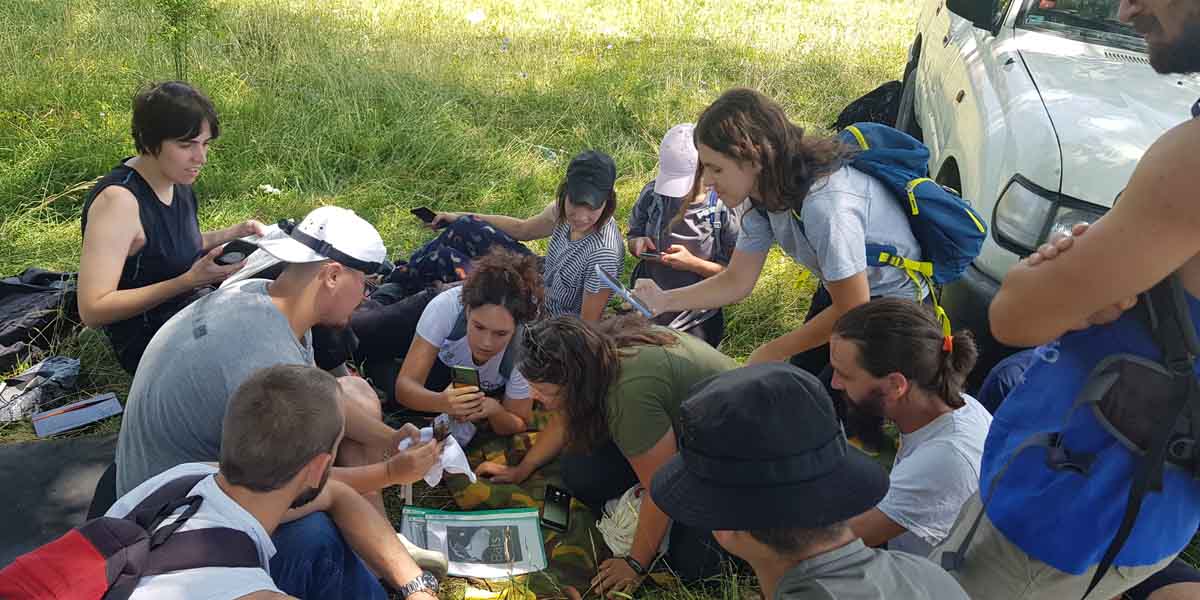
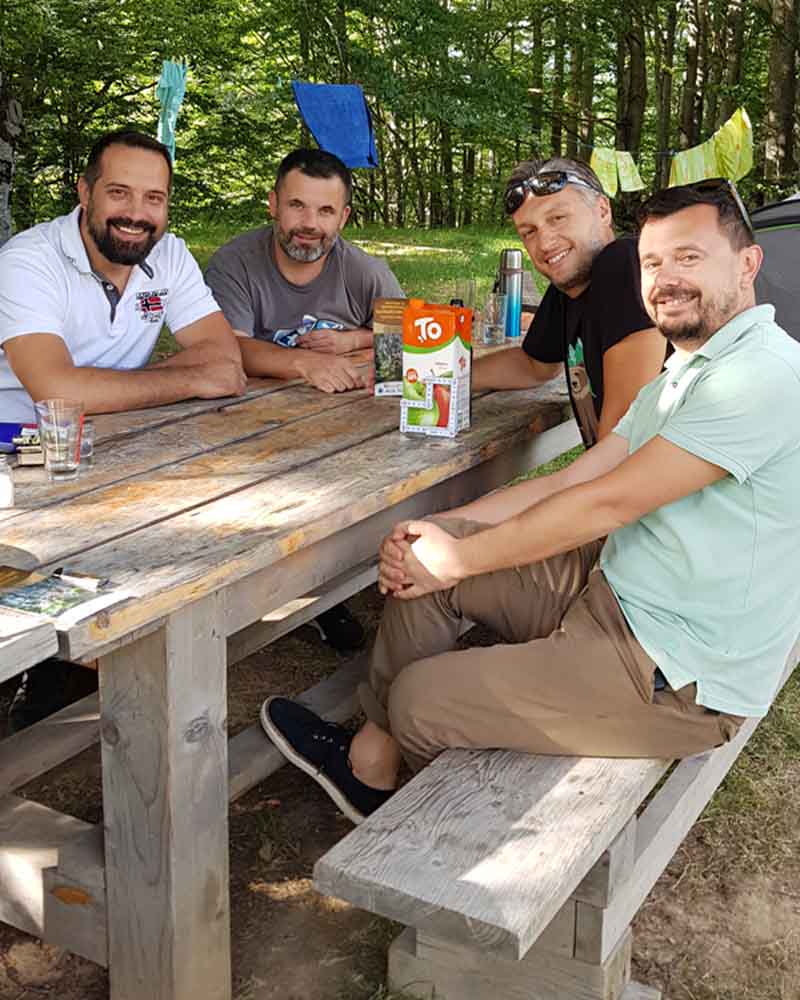
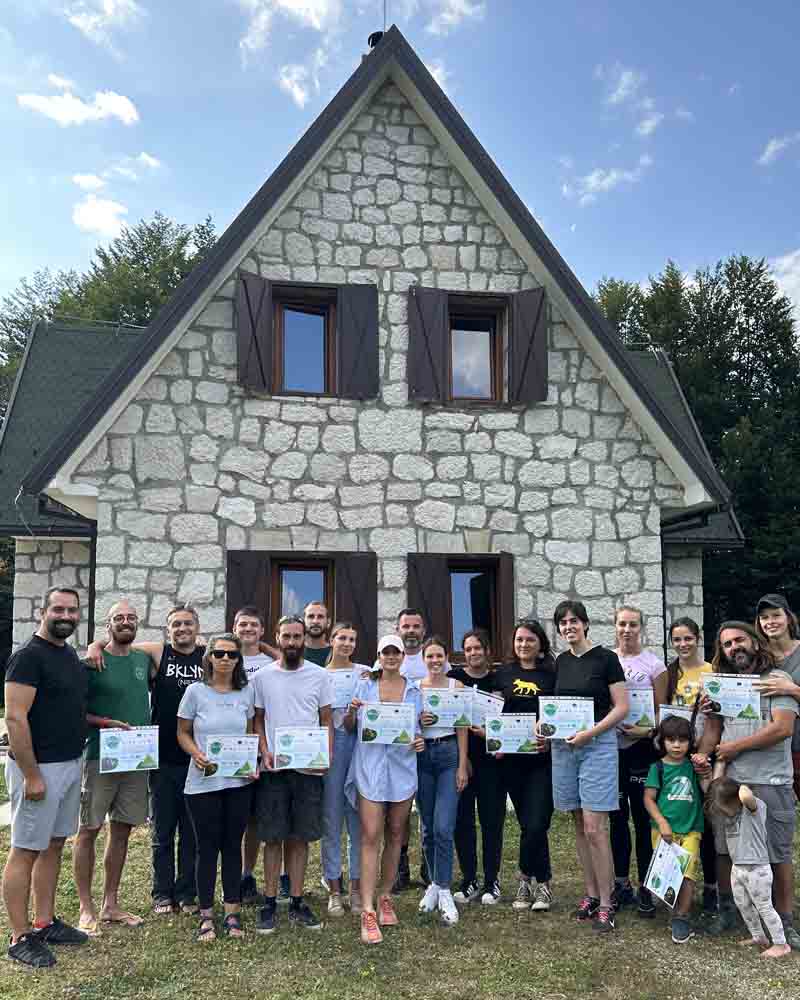
The project brought together 11 scientists from all six Western Balkan countries. These scientists/experts conducted field research in their home countries, studying transboundary mammal movements in the Western Balkans. They presented their results and demonstrated them in practice at the organised International School on Mammal Ecology, „Mammals of the Western Balkans, 2023,“ which lasted 10 days on Volujak Mountain (Republic of Srpska, Bosnia and Herzegovina). Additionally, each expert, within their profession and area of expertise, delivered lectures on biodiversity protection, mammal ecology, genetics, and transboundary movements of mammals in the WB6 countries. The International School was attended by 30 students from almost all WB6 countries (except Kosovo, which is in the visa regime), and together with the lecturers, they completed the practical component of the lessons. The fieldwork yielded essential data on the fauna of Mount Volujak, leading to a joint scientific paper published in the national journal Acta Scientifica Balcanica.
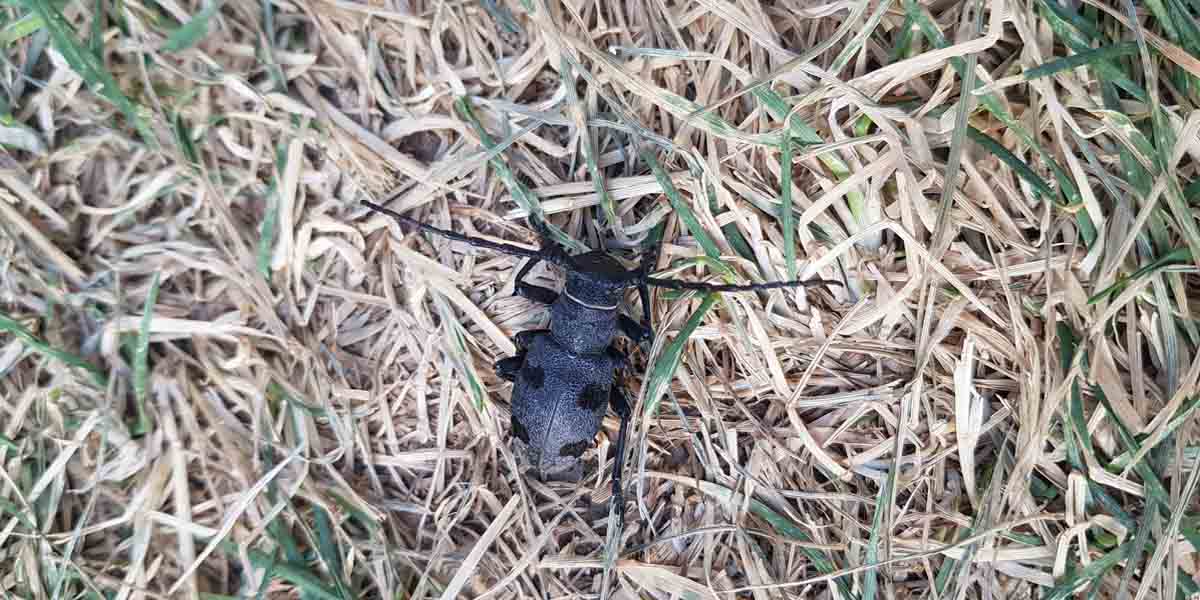
A total of fifty-three taxa were documented in the surveyed area, comprising 48 at the species level and five at the genus level. Notably, the Meadow viper (Vipera ursinii macrops) and the Beech Longhorn Beetle (Morimus funereus) are classified as Vulnerable (VU) on the IUCN Red List. Furthermore, the Greater Horseshoe Bat (Rhinolophus ferrumequinum) and the Lesser Horseshoe Bat (Rhinolophus hipposideros) are listed as Near Threatened (NT) in Europe.
These findings highlight the area’s significance for Balkan and European biodiversity. Therefore, together with the Mountaineering Society „Volujak“ from Gacko and with the support of the Municipality of Gacko, we submitted an initiative to the Ministry of Spatial Planning, Construction and Ecology of the Republic of Srpska to declare this area a protected area. The Ministry and the Republic Institute for the Protection of Cultural, Historical and Natural Heritage have recognised the initiative and provided a positive opinion. The next step involves carrying out a more detailed survey of the surrounding area (flora, fauna, vegetation, geology, and cultural heritage) and preparing a report based on the findings, which will then be submitted to the Republic Institute for further steps towards declaring the area protected.