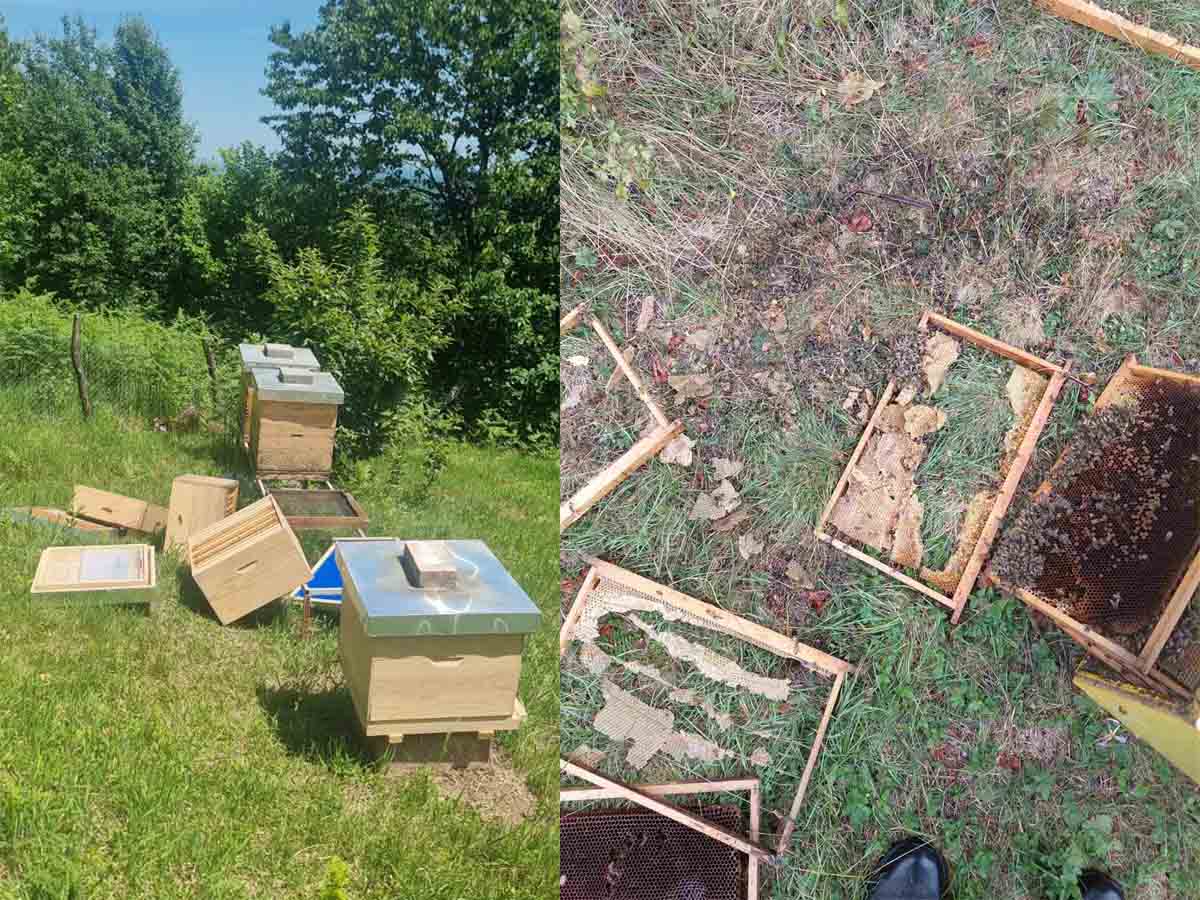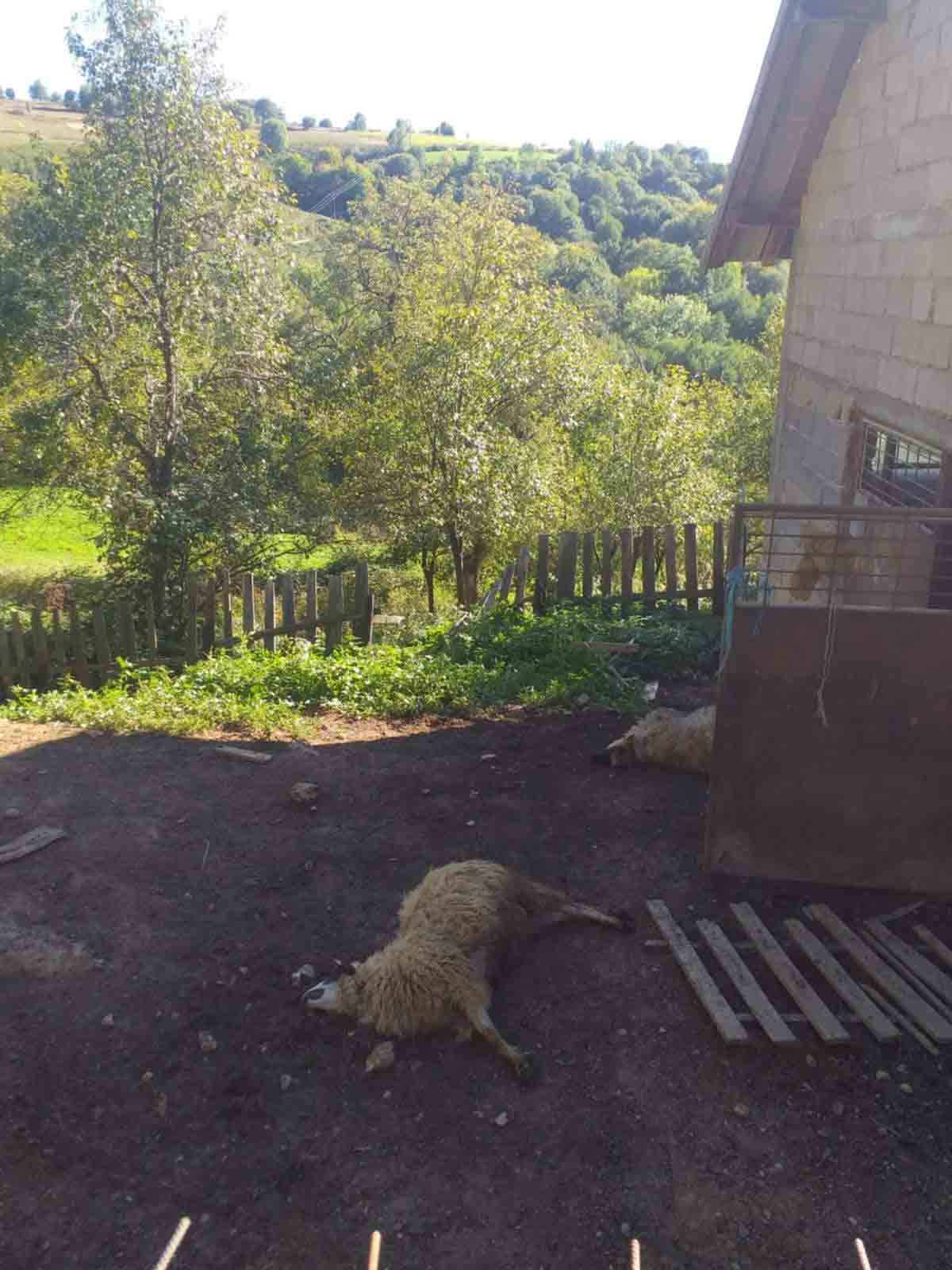
Humans and large carnivores (LCs) have coexisted for centuries in Bosnia and Herzegovina (B&H). Some species have been favoured, while some have been systematically destroyed. The last Balkan lynx was killed in 1911, while gray wolves suffered huge systematic killings, poisonings, and captures. Brown bears, on the other hand, were a more favoured species. Today, the Eurasian lynx is a strictly protected species, and its numbers are gradually increasing. The brown bear is a protected species under a closed season, but its numbers are declining. The grey wolf is protected during a closed season in one part of the country, whereas in the other it remains unprotected; however, its numbers are rapidly declining. The primary cause of the decline in brown bear and grey wolf populations in the country is hunting and poaching. The pressure on these two species stems from public dissatisfaction, as wolves and bears sometimes damage livestock and bees, and authorities’ compensation is often inadequate or unavailable (for damage caused by wolves).
The programme aims to pilot human-wildlife conflict mitigation measures and promote safe coexistence between rural populations in Bosnia and Herzegovina and gray wolves and brown bears. Therefore, the project targeted several objectives: Reduce the conflict and improve coexistence between humans and large carnivores (brown bear and gray wolf); Improve the knowledge and skills of local farmers and rural population in focal areas; and Increase the socioeconomic benefit of the country – reduced pressure on large carnivores.
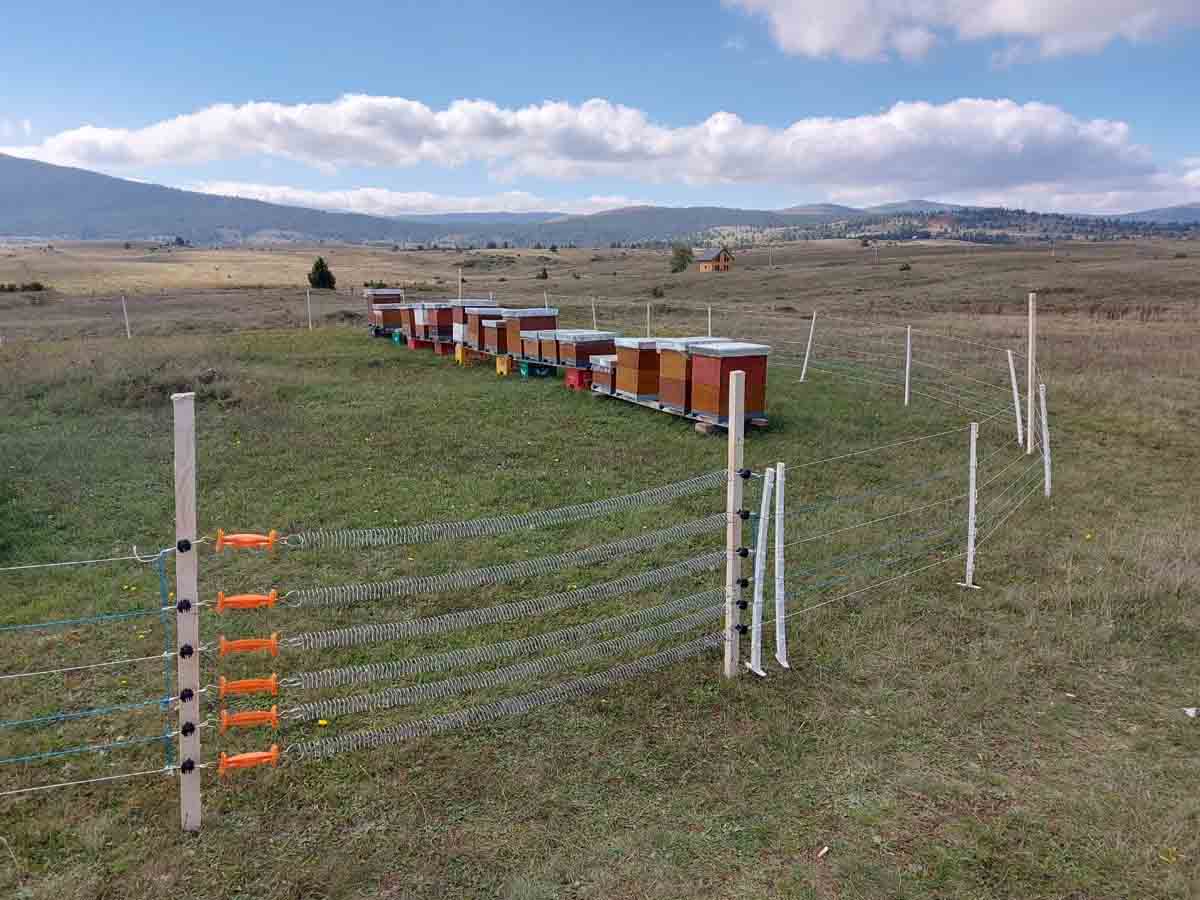
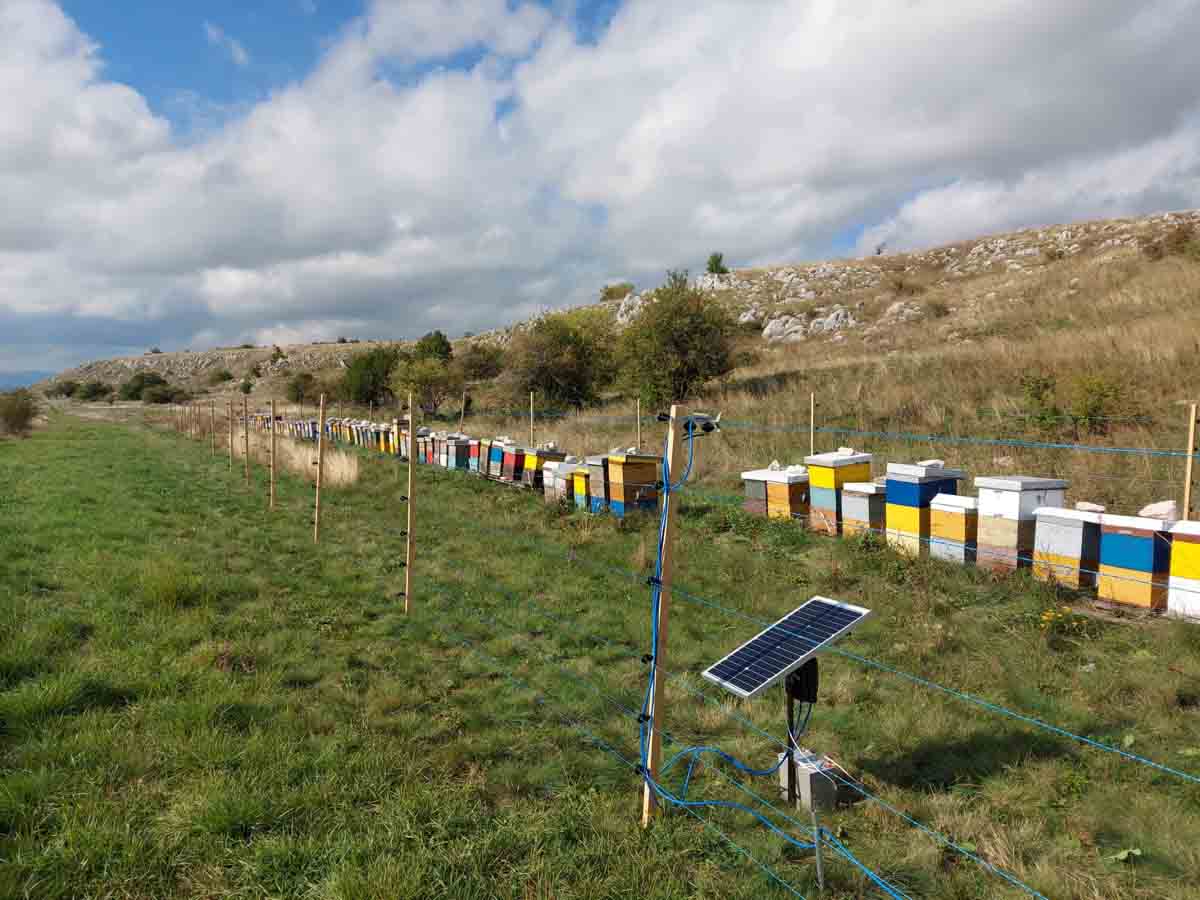
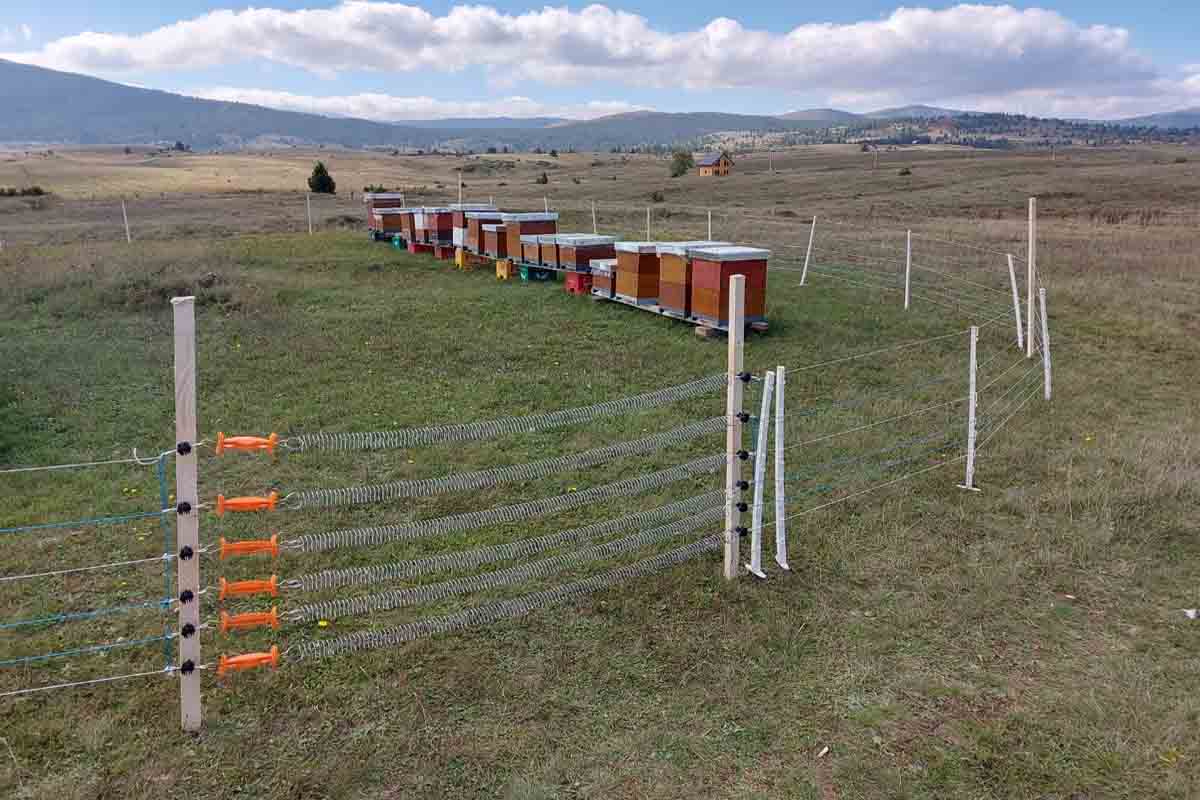
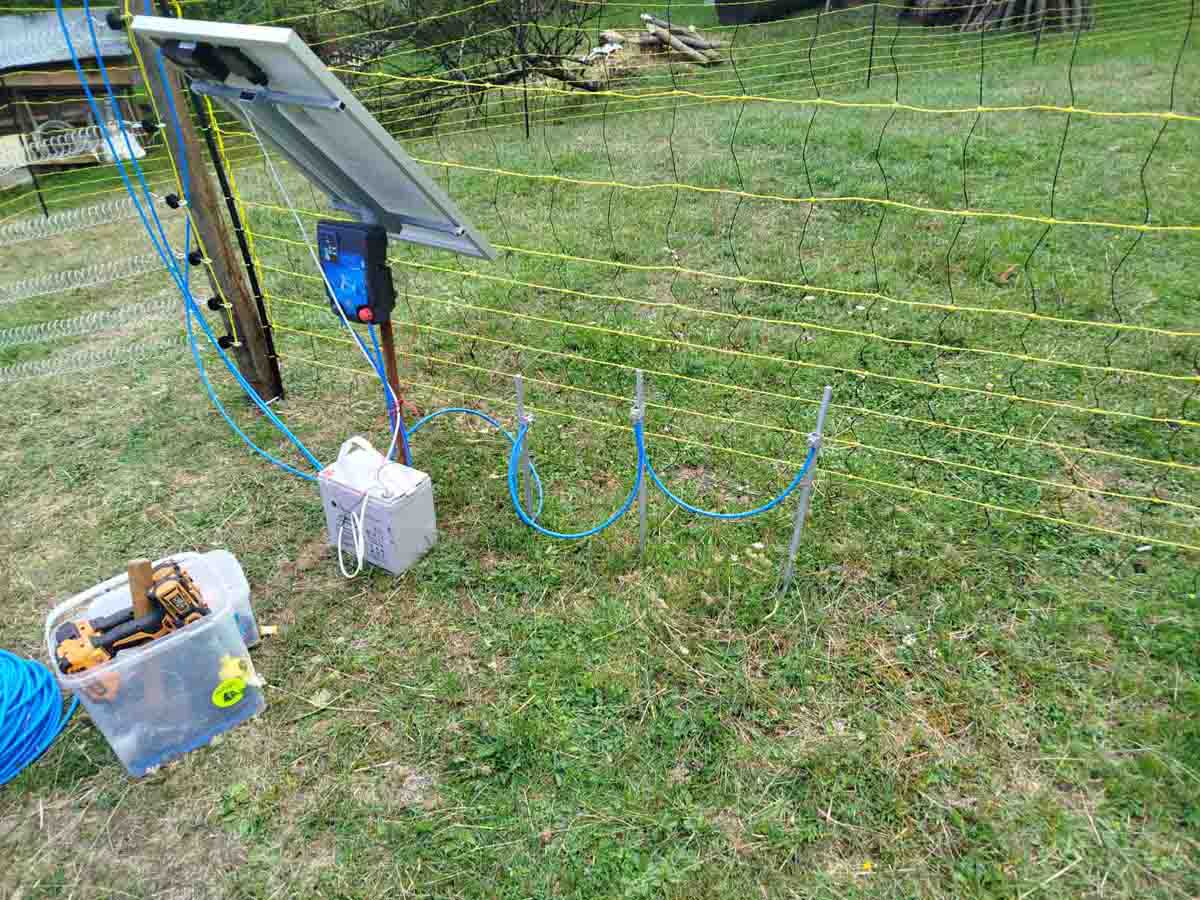
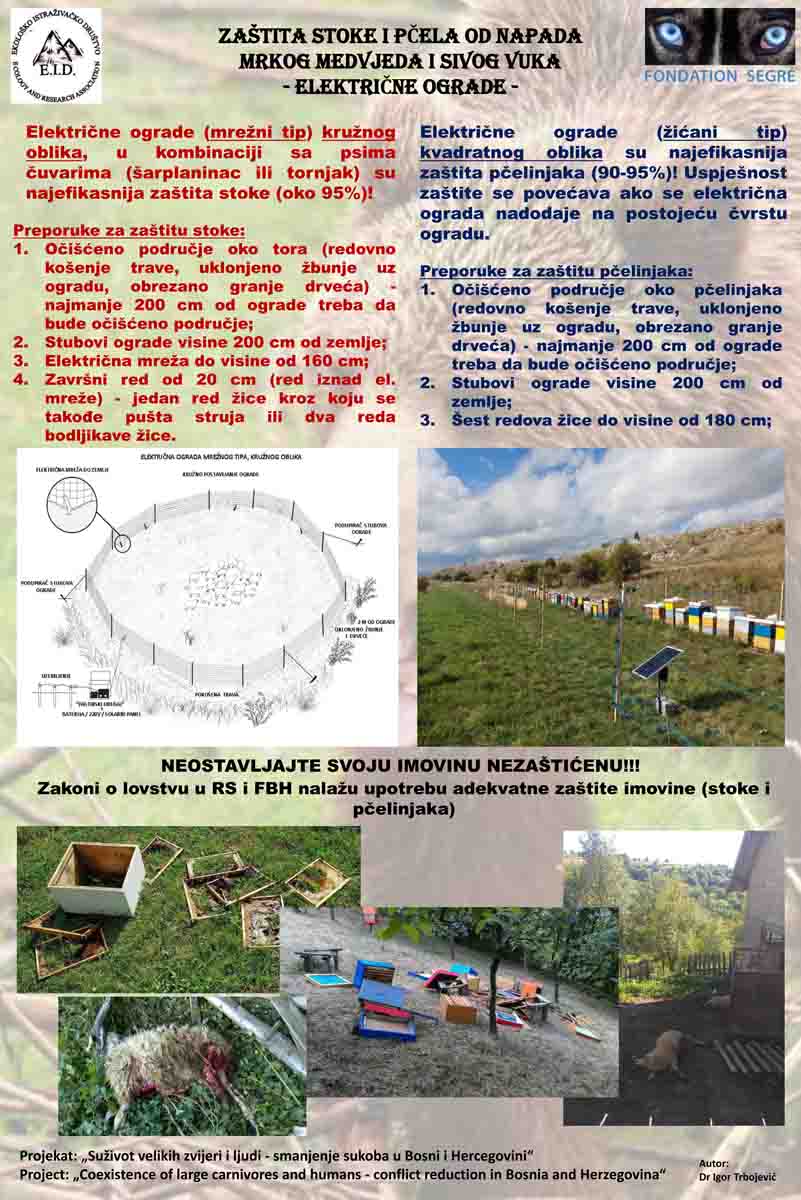
Over the two-year project, we secured 103 households in key locations across the country, some with electric fences and others with livestock guard dogs (LGD’s). Through workshops and specially designed leaflets and posters, 2000 people in the country’s rural areas were educated. Through a long-term media campaign, we reached over 100,000 citizens who were unaware of the importance of LC’s in the ecosystem, how to protect property, and how to prevent their predation. With all measures and actions taken, the protection success rate for households provided with electric fences and LGD’s was 100%. In 2024, the number of damages caused by brown bear predation decreased by about 80% (according to official data from the relevant ministries) and by wolves by at least 40-50% (no official data yet). According to official statistics for Bosnia and Herzegovina, both species increased in numbers from 2023 to 2024 (data for 2025 will be released in the first half of 2026). The number of bears increased by 6% (n=1529), and wolves by 12% (n=1500) (Statistical Bulletin of FB&H, 2025; Statistical Bulletin of Republika Srpska, 2025).
Despite notable growth in the recent period, the wolf population continues to decline compared to the past decade. Many households across Bosnia and Herzegovina still occasionally suffer damage from wolf predation. This clearly guides our future efforts as the leading organisation in Bosnia and Herzegovina for the conservation and monitoring of LC’s.
Project: Coexistence of large carnivores and humans – conflict reduction in Bosnia and Herzegovina
Donor: Fondation Segré
Project Duration: October 1, 2023 – October 1, 2025